
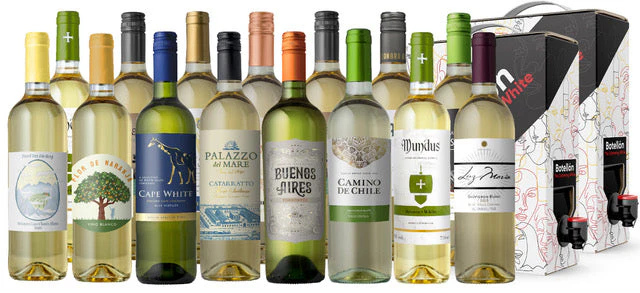
Most newcomers to white wine face the same overwhelming problem: standing in a wine shop aisle, surrounded by dozens of bottles with unfamiliar names, uncertain where to begin. The sheer variety of grapes, regions, and price points creates decision paralysis. You want to develop your palate, but you need a systematic approach that won’t break your budget or leave you disappointed.
Start with familiar grape varieties
Begin your exploration with the most approachable white wine grapes. Sauvignon Blanc offers bright acidity and clear flavors that most people can identify immediately. Pinot Grigio provides a clean, light introduction without overwhelming complexity.
Chardonnay gives you two distinct styles to compare: unoaked versions that taste crisp and mineral, versus oaked versions with butter and vanilla notes. These three grapes form your foundation because they’re widely available and express their characteristics clearly. You’re not trying to decode subtle nuances yet. You’re learning what acidity feels like on your tongue and how different levels of sweetness affect your perception of the wine.
Learn the basic tasting process
Proper tasting technique reveals more information than casual sipping. Pour about two ounces into a wine glass, swirl gently to release aromatics, then inhale deeply. Notice the initial scents before they fade.
Take a small sip and let the wine coat your entire palate. Pay attention to three elements: sweetness (detected on the tip of your tongue), acidity (which makes your mouth water), and body (how heavy or light the wine feels). Don’t worry about identifying specific flavors initially. The finish matters too. After swallowing, notice how long the flavors persist and whether they change. Wine that disappears immediately suggests lower quality, while lingering flavors indicate more complexity.
Understand the impact of climate and region
Geography shapes white wine more than most people realize.
Cool climate regions produce wines with higher acidity and more restrained fruit flavors, while warm climate regions create riper, fuller-bodied wines with lower acidity. Compare a Sauvignon Blanc from New Zealand’s Marlborough region with one from California’s Napa Valley. The New Zealand version will taste sharper and more herbaceous, while the California version shows rounder fruit and less aggressive acidity. Same grape, different expressions based on where it grows.
This principle applies across all white wines. German Rieslings taste completely different from Australian Rieslings, even when made from identical grape varieties.
Build a systematic tasting schedule
Random wine purchases won’t develop your palate efficiently. Instead, create a structured approach that builds knowledge progressively. Start with discount white wine deals that allow you to try multiple bottles without significant financial commitment.
Week one: taste three different Sauvignon Blancs from different regions. Week two: compare oaked versus unoaked Chardonnays. Week three: explore aromatic varieties like Riesling or Gewürztraminer. This methodical progression teaches you to recognize grape characteristics while exposing you to stylistic differences. Keep notes, even brief ones. Write down the producer, region, your impression of sweetness and acidity, and whether you enjoyed it.
Navigate sweetness levels in white wine
Sweetness confuses many beginners because wine labels don’t always indicate residual sugar clearly. Rieslings range from bone dry to dessert-wine sweet, but the label might not specify which style you’re buying.
German Rieslings use terms like “trocken” (dry) or “halbtrocken” (off-dry) to indicate sweetness levels. French wines rarely mention sweetness directly. American wines sometimes include terms like “dry” or “off-dry” on the label, but not consistently. Your safest approach: ask the wine shop staff about sweetness levels when buying unfamiliar bottles.
Expand gradually into food pairing
Once you’ve identified several white wines you enjoy, start experimenting with food combinations. Light wines with light foods, full-bodied wines with richer dishes. Sauvignon Blanc pairs naturally with goat cheese, shellfish, and green vegetables because its acidity cuts through richness while complementing mineral flavors. Chardonnay works with chicken, pork, and cream-based dishes since the wine’s body can match the food’s richness without being overwhelmed.
But rules exist to be broken intelligently. Crisp Albariño might surprise you with spicy Asian cuisine, even though conventional wisdom suggests avoiding wine with heat.
