
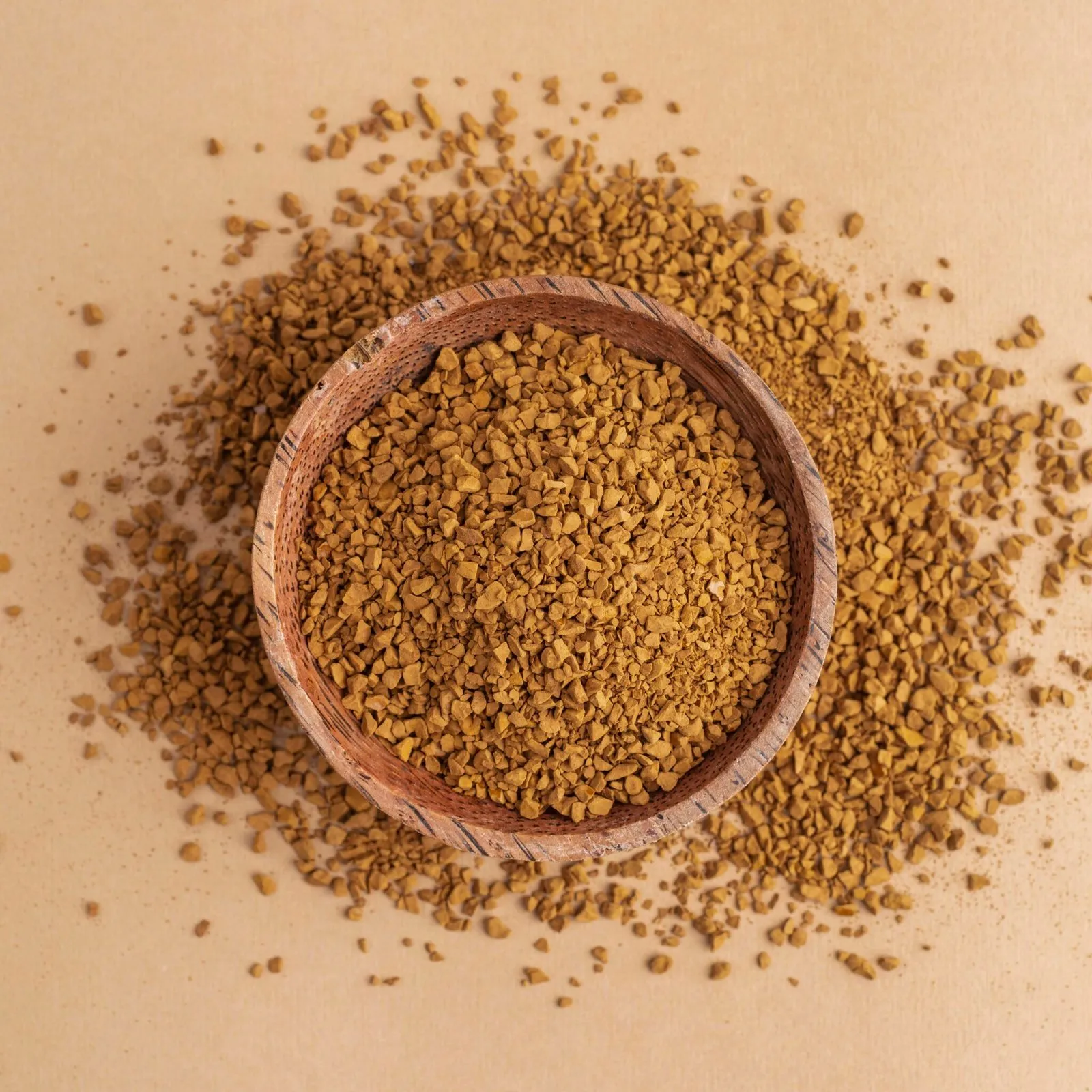
Fenugreek is used across spice blends, pickles, curries, seasonings and processed foods, making dependable sourcing important for manufacturers and importers. Choosing the right fenugreek seeds exporter is not simply about finding the lowest quotation. Commercial buyers need consistent seed quality, clear specifications, reliable handling and packaging that protects the product during storage and transport. A supplier should also understand the intended application, because requirements can differ between retail packing, grinding, extraction and food manufacturing.
Start With the End Use
The first sourcing question should be simple: how will the fenugreek be used?
Whole seeds sold in retail packs need a clean, uniform appearance. A manufacturer planning to grind the seeds may focus more on aroma, flavour and moisture. Buyers producing seasoning mixes may also want a predictable level of bitterness so that one batch does not overpower the rest of the formulation.
Defining the end use before requesting samples makes the buying process more efficient. It helps the supplier suggest an appropriate grade and gives the quality team a clear basis for comparison.
Fenugreek naturally has a distinctive aroma and a noticeable bitter note. Those characteristics can be desirable, but they also make inconsistency easy to detect in a finished food. For repeat orders, buyers should compare batches against an approved reference rather than judging each shipment in isolation.
Turn “Good Quality” Into Clear Specifications
Words such as premium, clean and export quality can mean different things to different businesses. A commercial specification should turn those descriptions into measurable requirements.
Depending on the application and destination market, buyers may need to agree on:
-
purity and foreign matter limits;
-
moisture level;
-
seed colour and overall appearance;
-
damaged or broken material;
-
microbiological requirements;
-
pesticide or residue limits where applicable;
-
pack size, labelling and batch identification.
Not every buyer needs the same tests, but expectations should be decided before the order is confirmed. Written specifications reduce ambiguity and make it easier to investigate a problem if a shipment does not perform as expected.
Test Samples in Real Conditions
A sample is most useful when it is tested in the same way the commercial ingredient will be used. Looking at seeds can reveal colour and cleanliness, but it cannot show the full picture.
A spice blender may grind and roast the sample. A pickle producer may test how the seed develops during processing. A food manufacturer may run a small production trial and compare the result with an existing formula.
This approach also applies when sourcing other aromatic seeds. A buyer working with a dill seeds supplier India may be purchasing for pickling, bakery applications, seasoning blends or processed foods. Dill has its own aromatic profile, so its suitability should be assessed within the actual recipe rather than by appearance alone.
Protect Quality Through Packaging
Even a good batch can deteriorate if exposed to moisture, contamination or poor warehouse conditions. Packaging is therefore part of the product specification, not an afterthought.
Buyers should discuss bag construction, liner requirements, pack weight and labelling before shipment. The best format depends on order size, transport route, storage environment and how quickly the ingredient will be used.
Storage matters too. Spices and seeds should be kept in clean, dry conditions away from substances that could transfer unwanted odours. Clear batch identification also supports stock rotation and makes traceability easier if a buyer needs to review a particular delivery.
Judge the Supplier Across Several Orders
A strong first shipment is encouraging, but commercial sourcing is about repeatability. Agricultural products can vary because of growing conditions, harvest timing and natural differences between lots. The key question is whether the supplier can manage that variation within the agreed specification.
Procurement teams should record incoming inspection results and production feedback. If a batch behaves differently during grinding, roasting or blending, that information can be discussed before the next shipment.
Reliable communication is valuable when demand changes. Buyers may need updated lead times, alternative pack sizes or a different grade for a new product. A supplier that responds clearly and understands the application can become more useful than one competing only on price.
Conclusion
Successful fenugreek sourcing depends on more than selecting an attractive sample. Buyers need to define the end use, agree on measurable specifications, test the ingredient under realistic conditions and protect it through suitable packaging and storage. The same disciplined approach can be applied to dill and other speciality seeds. When procurement teams focus on consistency, communication and repeat performance, they reduce avoidable quality problems and build a supply arrangement better suited to long-term food production.
