
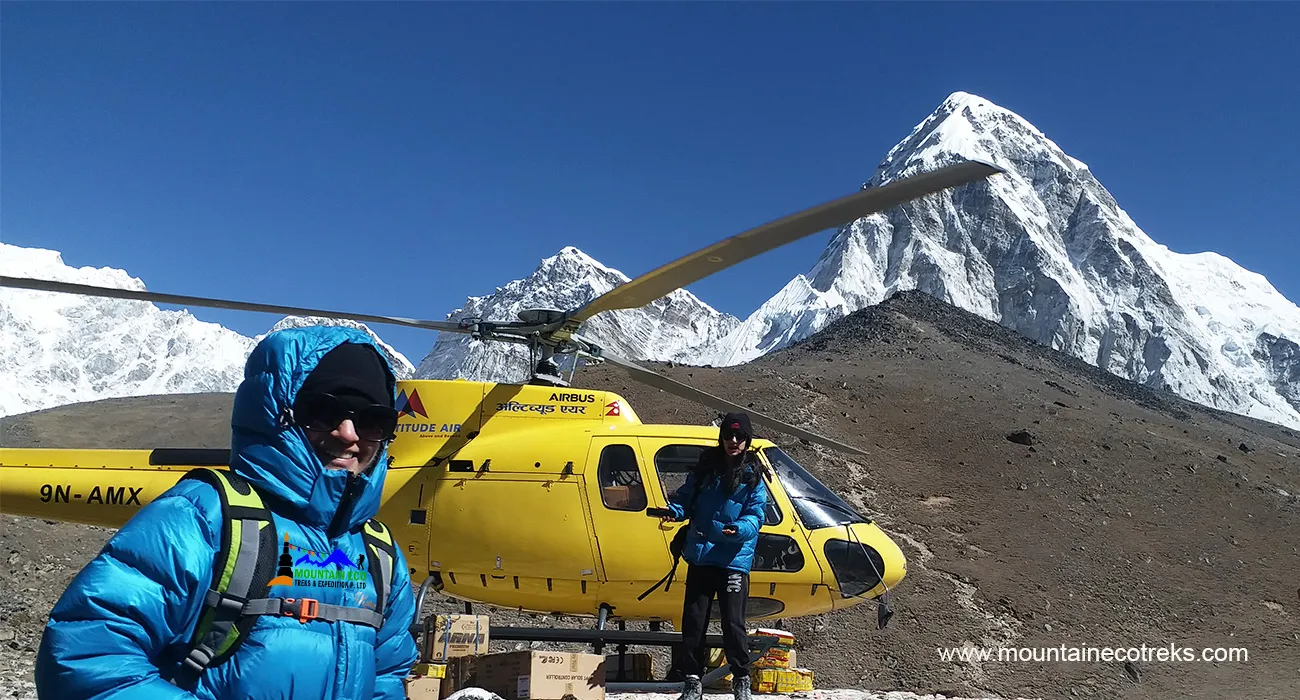
Trekking with friends or family can make a mountain journey more enjoyable. You can share views, meals, stories, and exciting moments along the trail. But there is one small challenge that many groups face: everyone does not walk at the same speed.
One person may enjoy a quick pace, while another may prefer to walk slowly and take more breaks. On a high-altitude route, this difference can become more noticeable. The goal is not to make everyone walk together every minute. The goal is to keep the group comfortable, safe, and connected.
The Everest Base Camp Trek with helicopter return gives groups a good opportunity to enjoy the trail together while still allowing each person to find a natural rhythm.
Understand That Different Speeds Are Normal
People have different walking habits even at home. Some naturally take longer steps, while others like a relaxed pace.
Fitness is not the only reason. Walking style, experience, energy levels, weather, sleep, and altitude can all affect speed.
Do Not Turn Walking Into a Competition
A mountain trek is not a race. Trying to stay ahead of others can make the journey tiring, especially when the trail becomes steeper.
A slower walker should not feel embarrassed about taking more time. A faster walker should also not feel frustrated about adjusting the pace.
The best group experiences come when everyone understands that the journey matters as much as reaching the next stop.
Choose Meeting Points Instead of Staying Side by Side
Keeping an entire group together from morning to evening may sound ideal, but it is not always practical.
Instead, your group can agree on simple meeting points before starting the day’s walk.
Use Natural Places to Regroup
A tea house, bridge, viewpoint, rest area, or village entrance can work as a meeting point.
The faster walkers can move ahead at a comfortable speed and wait at the agreed location. The slower walkers can continue without feeling pressured.
This creates space for everyone while keeping the group connected.
Let Each Person Find a Comfortable Rhythm
Walking at a natural pace becomes especially important as the trail climbs higher.
Some people may feel comfortable with steady steps and short breaks. Others may prefer slower walking with longer pauses.
Keep the Pace Easy to Maintain
A useful rule is to choose a pace that allows you to keep moving without constantly feeling out of breath.
If someone repeatedly needs to stop because the pace is too fast, the group should adjust. Small changes early in the day can prevent unnecessary tiredness later.
Your guide can also help the group find a practical pace for the conditions on the trail.
Give Extra Attention to the Slowest Walker
The person walking at the back should never feel forgotten.
Someone should know where the last member of the group is, particularly on sections where the trail becomes less straightforward.
Keep Communication Simple
You do not need constant phone calls or messages. A simple check-in can be enough.
Before separating for a short stretch, make sure everyone knows:
-
Where the group will meet
-
Who is walking ahead
-
Who is staying behind
-
What to do if someone needs help
Clear communication removes much of the stress caused by different speeds.
Plan Your Group Around Energy, Not Just Distance
Two people may walk the same distance but finish with very different energy levels.
One person may still want to explore after reaching the lodge, while another may want to eat and rest immediately.
Respect Different Recovery Needs
Do not expect everyone to follow the same evening routine.
Some group members may enjoy talking over dinner. Others may prefer a quiet evening. Giving people this freedom can make the trip more pleasant for everyone.
A comfortable group does not mean everyone has identical habits. It means everyone has enough space to manage their own energy.
Make Group Conversations Part of the Journey
Different walking speeds can actually create opportunities for new conversations.
You may walk beside a different person at different points during the day. Someone you normally speak with less may become your walking partner for a section of the trail.
Share Small Moments
Talk about the village you just passed, the mountain views, the trail, or something interesting your guide explained.
These small conversations can become some of the strongest memories from the trek.
The Everest Base Camp Trek with helicopter return is not only about reaching a famous destination. It also gives groups time to experience the journey together in smaller moments.
Know When Someone Should Slow Down
There is a difference between normal tiredness and a situation that deserves attention.
If a person suddenly feels unusually weak, confused, very dizzy, or unwell, the group should not simply tell them to walk faster or catch up later.
Listen to the Person
High-altitude trekking requires attention to how each person feels.
Tell your guide about any concerning symptoms. The guide can help decide what should happen next based on the situation.
Being flexible is more important than following a fixed group plan.
Enjoy Different Personalities on the Trail
Every group has different types of trekkers.
One person may love taking photographs. Another may want to talk. Someone else may prefer silence and mountain views.
Trying to make everyone enjoy the trek in exactly the same way can create unnecessary pressure.
Let people have their own moments while keeping the group connected through agreed plans.
Prepare for the Final Days Together
As the trek gets closer to Everest Base Camp and Kala Patthar, everyone may have different energy levels.
The group should avoid making the final stages a competition. Reaching the destination is something you can celebrate together even if everyone arrives at slightly different times.
The Everest Base Camp Trek with helicopter return also provides a different ending to the walking journey, giving the group a chance to shift from trail movement to a scenic flight when conditions allow.
Final Thoughts
A group trek works best when people stop worrying about having the same pace.
Walk comfortably, agree on meeting points, communicate clearly, and give each person enough freedom to enjoy the trail in their own way. These simple habits can prevent small differences from becoming group problems.
The mountain does not require everyone to move identically. It simply asks each person to respect the journey, listen to their body, and enjoy the experience.
FAQs
1. Can people with different walking speeds trek together?
Yes. Groups can use agreed meeting points so faster and slower walkers can move comfortably.
2. Should everyone stay together all day?
Not necessarily. Staying connected through planned meeting points can be more practical than walking side by side constantly.
3. Should a slow walker try to match the fastest person?
No. A comfortable and sustainable pace is generally more useful than trying to keep up with someone else.
4. Can a guide help a group with different walking speeds?
Yes. A guide can help manage the group’s pace, meeting points, and communication during the trek.
5. Is the Everest Base Camp Trek with helicopter return suitable for groups?
It can work well for groups when members communicate clearly, respect different walking speeds, and remain flexible throughout the journey.
