
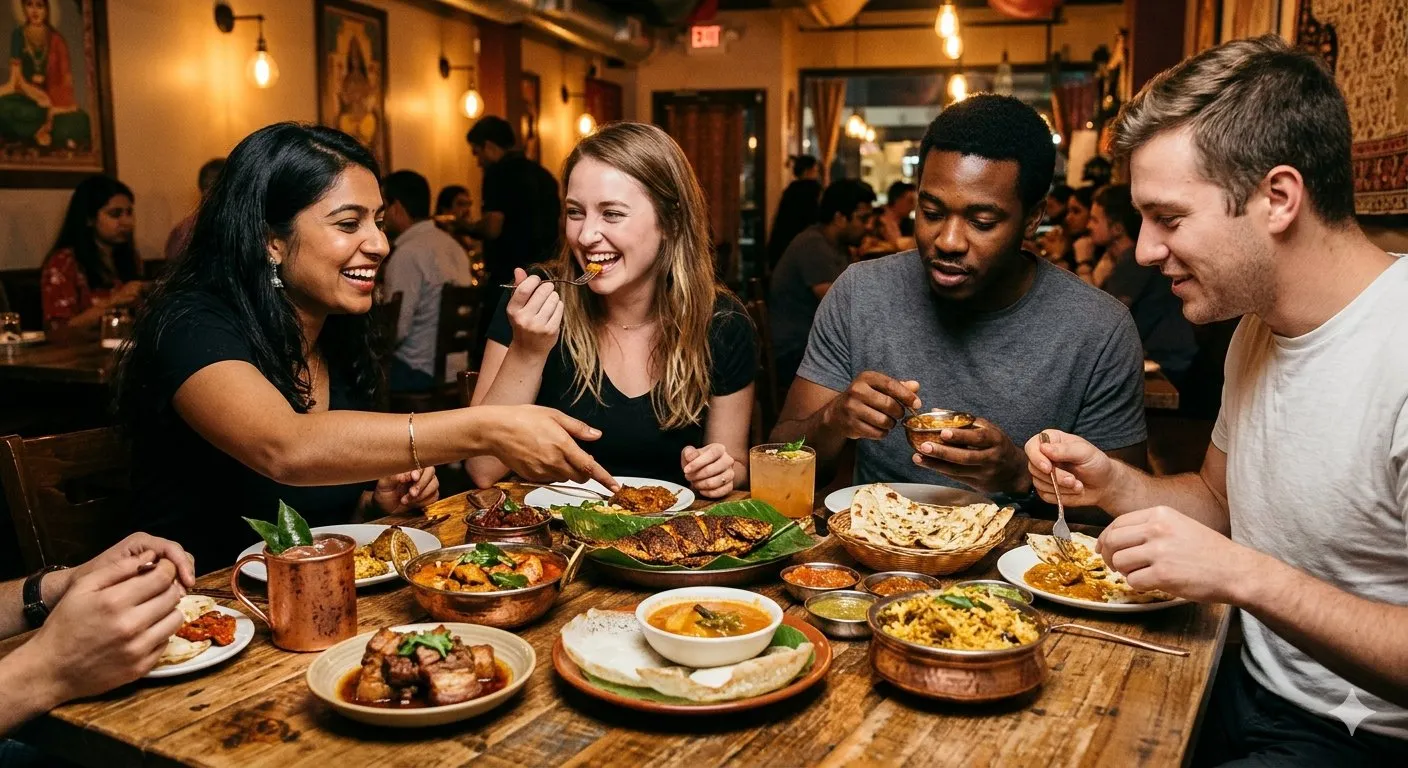
A plate of freshly prepared dosa or a serving of aromatic biryani can bring back memories that have little to do with hunger. Across America, Indian restaurants introduce diners to regional flavors, traditional cooking methods, and distinctive dining experiences. Using an Indian website in USA focused on local business discovery provides a convenient starting point for exploring these establishments. Beyond satisfying occasional cravings, discovering different restaurants offers opportunities to appreciate culinary diversity and develop a deeper understanding of India’s remarkably varied food traditions.
Regional Flavors Deserve Greater Attention
Indian cuisine cannot be adequately represented by a handful of popular dishes. Coastal regions incorporate coconut and seafood into numerous preparations, while northern specialties frequently feature wheat, dairy products, and rich gravies. Western Indian cooking introduces distinctive combinations of sweet, sour, and spicy ingredients. Eastern traditions offer their own interpretations of rice, vegetables, and desserts. Exploring restaurants that specialize in particular regional cuisines allows diners to experience these distinctions firsthand. It also challenges the assumption that Indian food follows one uniform cooking style.
Reading Menus With Greater Curiosity
Ordering the same meal during every restaurant visit provides predictability but limits culinary discovery. Detailed menus often reveal ingredients, preparation methods, and regional specialties that deserve closer attention. Diners unfamiliar with particular dishes can ask restaurant staff about texture, spice levels, or recommended accompaniments before ordering. Combining familiar favorites with an unfamiliar appetizer creates a manageable introduction to new flavors. This approach makes dining more interesting without requiring adventurous choices at every meal, particularly when sharing food with relatives or friends who have different preferences.
Choosing Restaurants Beyond Convenience
Proximity matters when arranging a quick lunch, but location alone cannot determine whether a restaurant meets individual expectations. Typing indian restaurant near me into a search engine may reveal numerous establishments with noticeably different menus and dining environments. Reviewing available information about operating hours, customer experiences, dietary accommodations, and pricing helps narrow these choices. Recent reviews can offer useful perspectives, although individual opinions should not replace personal judgment. A suitable restaurant ultimately depends on the occasion, available budget, and preferences of everyone planning to attend.
Understanding Dietary Choices and Ingredients
One appealing aspect of Indian cuisine is the variety of meals prepared around vegetables, lentils, grains, and legumes. However, diners with dietary restrictions should never assume that every vegetable-based preparation meets their requirements. Ghee, cream, yogurt, nuts, and wheat may appear in dishes where their presence is not immediately obvious. Asking specific questions about ingredients and preparation methods becomes particularly important for individuals managing food allergies. Clear communication with restaurant staff supports informed decisions while reducing uncertainty about unfamiliar recipes or shared cooking equipment.
Matching Meals With Special Occasions
A restaurant suitable for a quick weekday dinner may not offer the atmosphere desired for an anniversary celebration or family reunion. Seating arrangements, noise levels, reservation policies, and menu variety influence how comfortably guests enjoy their meals. Larger groups might appreciate establishments offering shareable dishes, while smaller gatherings may benefit from quieter surroundings. Checking these practical details beforehand prevents last-minute adjustments. The food remains central to the experience, but comfortable arrangements and thoughtful planning contribute considerably to the enjoyment of dining together with others.
Recognizing Adaptations in Traditional Cooking
Restaurants operating in America frequently serve customers with diverse culinary backgrounds and varying expectations. Consequently, some establishments modify spice intensity, portion sizes, or ingredient combinations to accommodate local preferences. These adaptations do not necessarily diminish the quality of a meal, although they may produce flavors different from traditional household preparations. Other restaurants emphasize regional cooking techniques and familiar recipes. Appreciating these distinctions helps diners evaluate meals according to their intended style rather than comparing every preparation against a single personal definition of authentic Indian cuisine.
Discovering Independent Culinary Businesses
Behind many neighborhood restaurants are entrepreneurs who bring personal recipes, professional experience, and regional influences into their kitchens. Independent establishments sometimes offer specialties that receive less attention on mainstream restaurant menus. Exploring smaller dining businesses can introduce customers to unfamiliar preparations while expanding their local food choices. Recommendations from coworkers, neighbors, and friends may uncover establishments that initially escape attention during online searches. Giving different businesses a fair opportunity allows diners to develop preferences based on actual experiences rather than familiarity with widely recognized restaurant names.
Conclusion
Indian dining in America offers considerable room for discovery, whether through a comforting weekday meal or an unfamiliar regional specialty. Paying attention to ingredients, cooking styles, and restaurant environments makes these experiences more rewarding. For residents seeking additional places to explore, inditown.com offers a starting point for discovering relevant local businesses. The next time a restaurant visit is on your schedule, look beyond the usual order and choose something that introduces a different side of Indian cooking to your dining experience.
